
Homeowners looking for a clean burning fireplace often turn to the humble gas fire but with gas costs remaining high and environmental regulations expected to tighten, industry experts are predicting that bioethanol fireplaces could become more popular.
While electric fireplaces have come a long way in terms of the aesthetics of the simulated flames, bioethanol fires are emerging as one of the most stylish and eco‑friendly heating solutions for modern homes, offering real flames without the smoke, soot, or need for a chimney.
While they won’t replace central heating, they offer a clean, modern way to enjoy the ambience of a real flame without the drawbacks of traditional fires.
What Are Bioethanol Fireplaces?
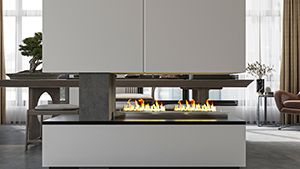
Bioethanol fireplaces burn bioethanol fuel, a renewable energy source made from crops such as sugarcane or corn. Unlike traditional wood‑burning stoves or gas fires, they produce no smoke, ash, or harmful particulates. The only emissions are small amounts of carbon dioxide and water vapour, making them a cleaner alternative for indoor heating.
Sustainability Benefits
- Eco‑friendly fuel: Bioethanol is derived from plant materials, making it renewable and more sustainable than fossil fuels.
- No flue required: Because they don’t produce toxic fumes, bioethanol fireplaces don’t need a chimney or venting system. This reduces installation costs and makes them suitable for apartments or modern builds.
- Low maintenance: With no ash or soot, cleaning is minimal compared to traditional fireplaces.
Design & Lifestyle Appeal
Bioethanol fireplaces are increasingly popular among high‑end homeowners seeking both aesthetics and practicality.
- Versatility: They can be installed in living rooms, bedrooms, or even outdoor spaces.
- Modern design: Sleek, frameless models complement contemporary interiors, while portable tabletop versions add ambience to smaller spaces.
- Real flame experience: Unlike electric fires, bioethanol models provide the warmth and visual appeal of a genuine flame.
Considerations
- Running costs: Bioethanol fuel is more expensive than gas or wood, though prices are falling as demand grows.
- Heat output: They provide ambience and supplementary warmth but are not a full replacement for central heating.
- Safety: As with any open flame, users must follow manufacturer guidelines and keep fuel away from children and pets.
Market Trends
- Construction industry adoption: Sustainable heating solutions like bioethanol fireplaces are being integrated into modern building projects to meet stricter environmental standards.
- Product innovation: Leading brands are expanding their ranges, offering wall‑mounted, freestanding, and built‑in designs.
- Consumer demand: Guides and reviews highlight smokeless burning and stylish aesthetics as key selling points.